
The attack on Khor Mor undercuts the assurances of Iraq’s political leaders
The attack on Khor Mor undercuts the assurances of Iraq’s political leaders that the country is experiencing political stability. In reality, Iraq is in a phase of fragile calm that such strikes periodically puncture. For nearly a decade, Iraqi civilian and military officials have privately maintained that state security institutions are strong enough to prevent these attacks—often carried out by the same actors who have targeted US interests—yet there remains an insufficient will to use that capability. The strike also reflects an enduring mindset among some groups that political objectives are best pursued through force and intimidation rather than dialogue, persuasion or other civilian means.
Select Articles
-
With Cease-fire Holding, Can Israel and Iran Move Toward De-escalation?
-
What does U.S. 'Maximum Pressure' mean for Iraq?
-
How Assad's Fall Could Impact Iraq
-
Baghdad Is Ready for a New Chapter in U.S.-Iraq Relations
-
10 Years After ISIS’s Genocide, Iraq Is Still Dealing with the Human Legacies
-
A Slippery Slope? U.S., U.K. Launch Strikes on Iran-Backed Houthis in Yemen
-
Climate Adaption Key to Iraq’s Stability and Economic Development
-
What You Need to Know About China’s Saudi-Iran Deal
-
Five Takeaways from Biden’s Visit to the Middle East
-
After Xi’s Visit, Are the Saudis Moving on from the United States?
-
ISIS is a Problem of Yesterday, Today and Tomorrow
-
Community Dialogue in Northern Sinjar

Giving a Peace Talk at the 2017 Passing the Baton

Sarhang Hamasaeed giving a Peace Talk about how USIP's team has been building peace. 2017 Passing the Baton event.

Sarhang Hamasaeed testimony before the House Foreign Affairs Subcommittee on Africa, Global Health, Global Human Rights and International Organizations. The ISIS Genocide Declaration: What Next?

Moderating a public discussion with Nobel Prize Laureate Nadia Murad

Sarhang Hamasaeed speaking about the situation of Iraqi minorities on a panel at the U.S. Institute of Peace (USIP).
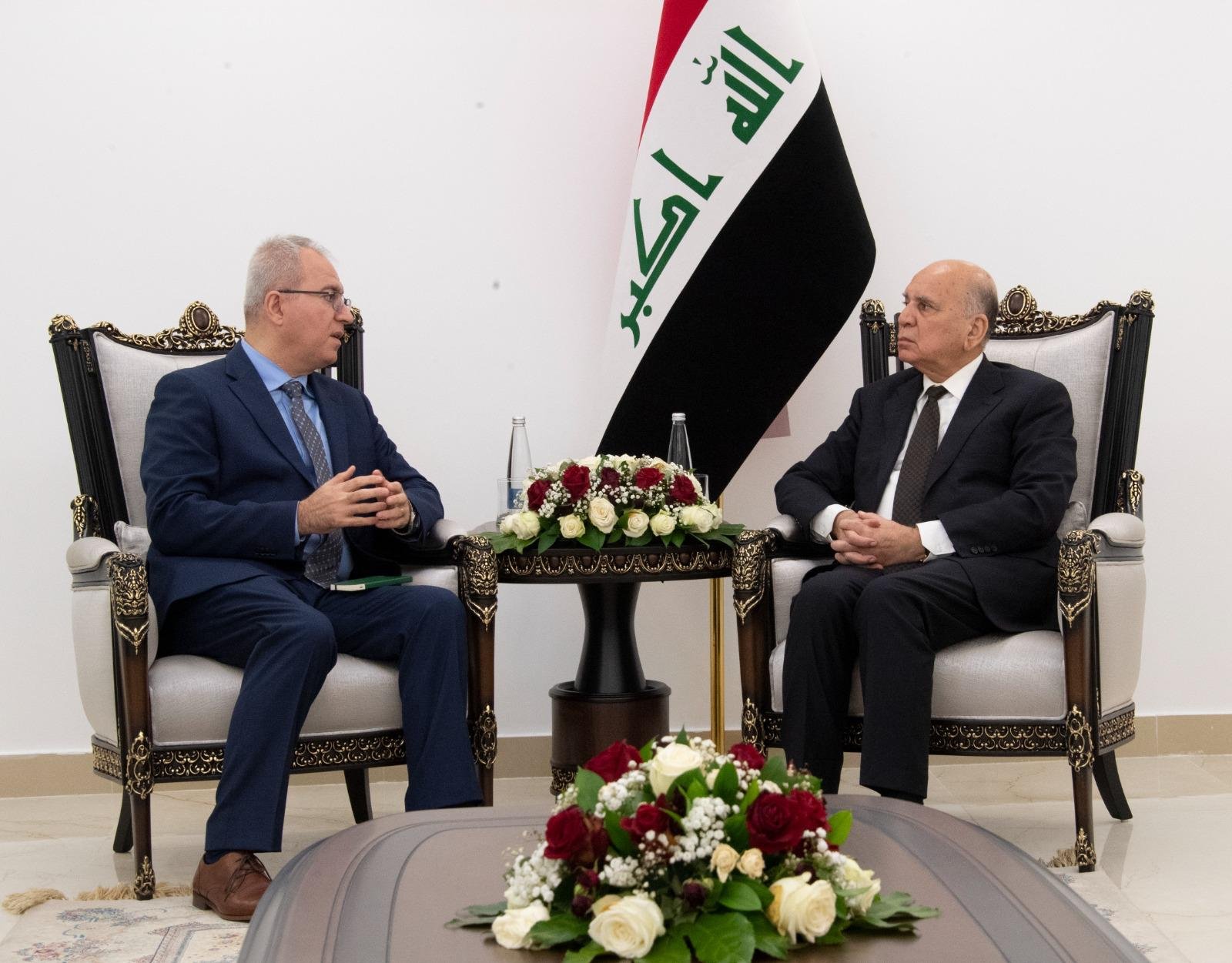
Meeting with Iraq's Deputy Prime Minister and Foreign Minister

Meeting with Iraq's National Security Advisor

Meeting with Iraq's Speaker of the Council of Representatives

Meeting with Iraq's Minister of Justice
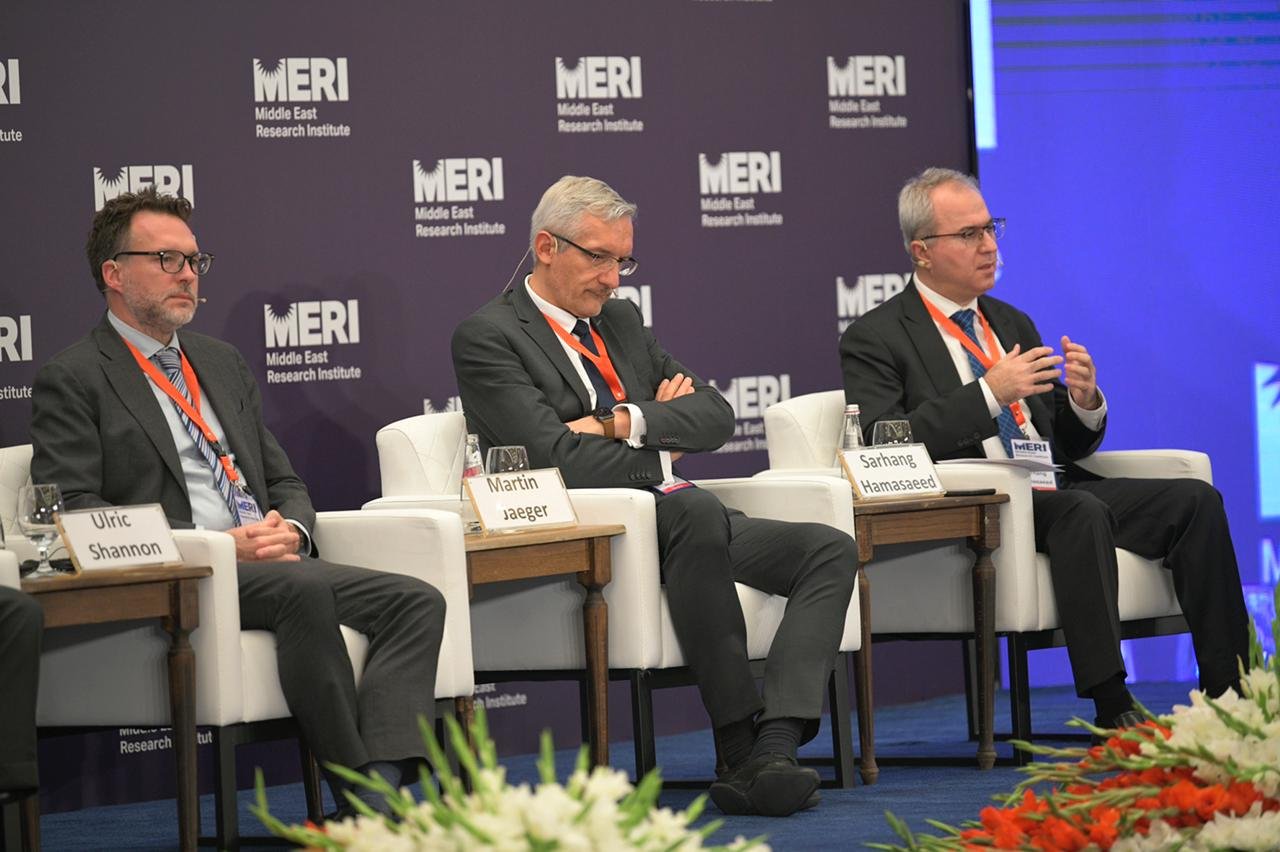
Sarhang Hamasaeed on a panel discussion at the Middle East Research Institute along with United States, Canada and Germany's Ambassadors to Iraq.
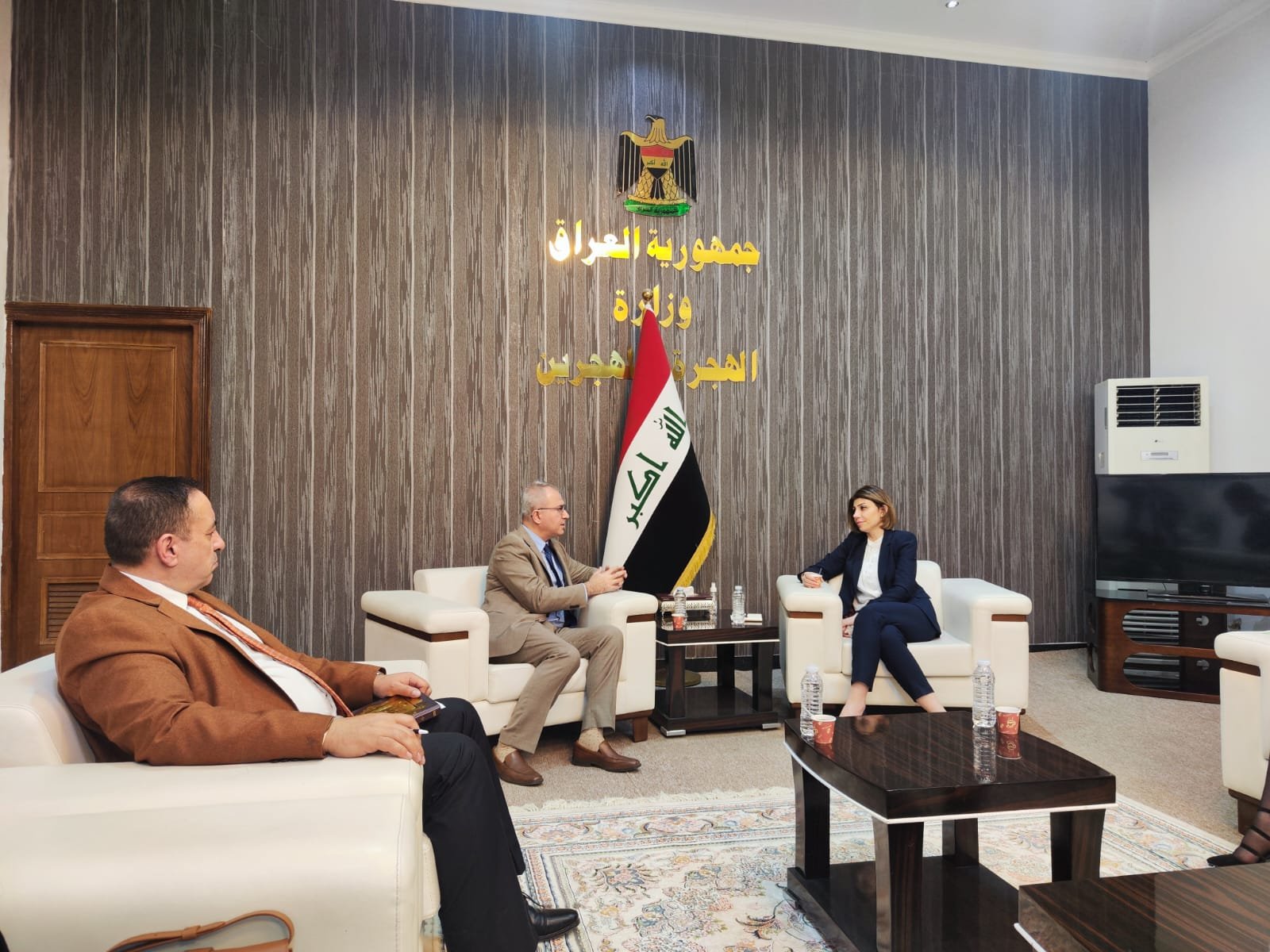
Meeting with Iraq's Minister of Migration and Displacement

Speaking at the Foreign Terrorist Fighters Working Group of the Global Coalition to Defeat ISIS
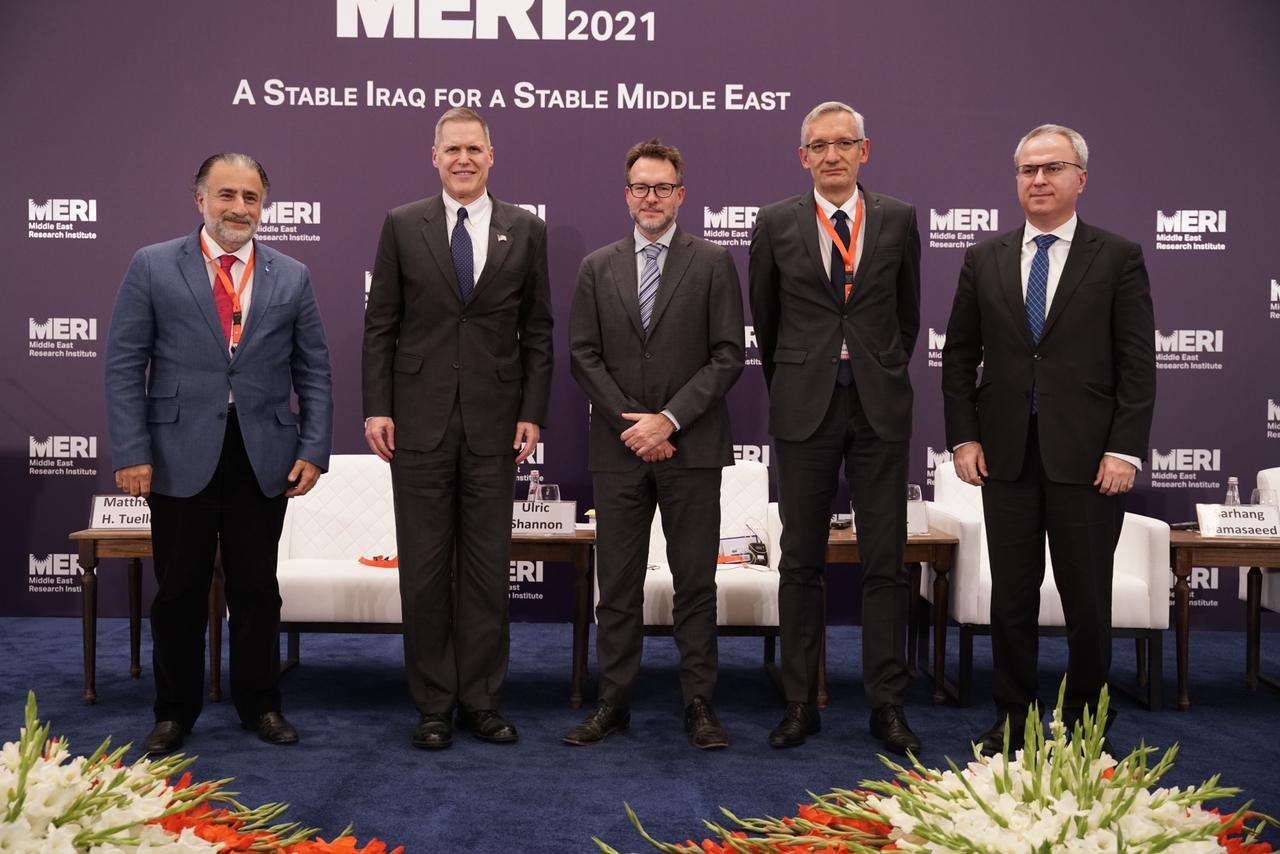
Sarhang Hamasaeed on a panel discussion at the Middle East Research Institute along with United States, Canada and Germany's Ambassadors to Iraq.

Sarhang Hamasaeed meeting with Bayan Sami Abdulrahman, Advisor to the Prime Minister of the Kurdistan Regional Government of Iraq.

Sarhang Hamasaeed meeting with Dr. Amanj Raheem, Secretary of the Council of Ministers of the Kurdistan Regional Government.

Meeting with the Head of the Kurdistan Region Judicial Council

Sarhang Hamasaeed meeting with Niyaz Barzani, Head of Foreign Affairs at the Presidency of the Kurdistan Region.
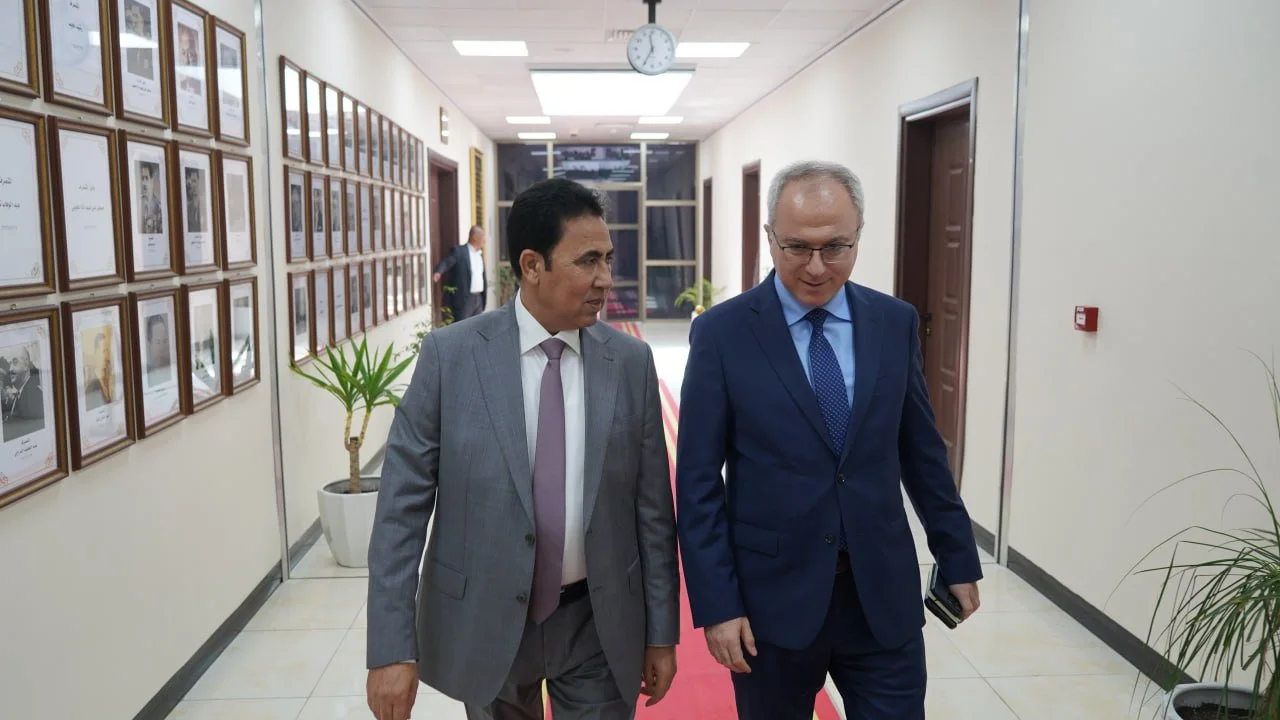
Meeting with the Governor of Ninewa in Iraq

Sarhang Hamasaeed speaking on a panel at the Middle East Peace and Security Forum at the American University of Kurdistan.

Sarhang Hamasaeed moderating a panel discussion on the situation of the Yazidis/Ezidis and other minorities in Iraq.

Sarhang Hamasaeed speaking on the threat of ISIS at a Working Group meeting of the Global Coalition to Defeat ISIS. Kuwait, May 24, 2022.
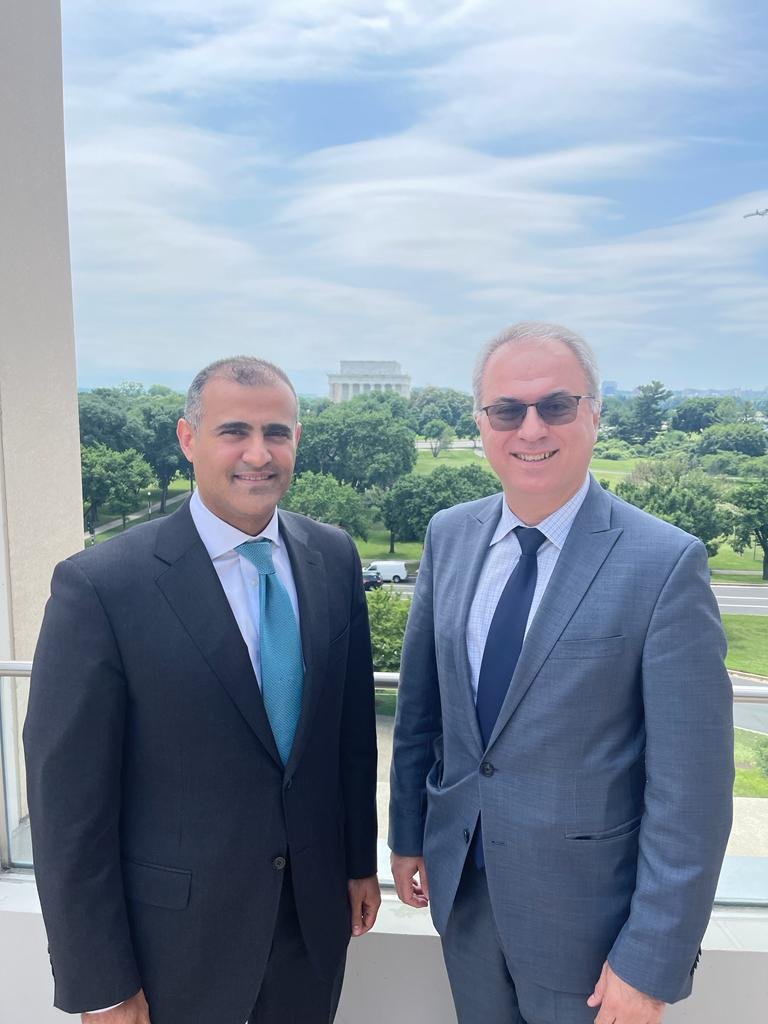
Meeting with Yemen's Ambassador Mohammed Al-Hadhrami
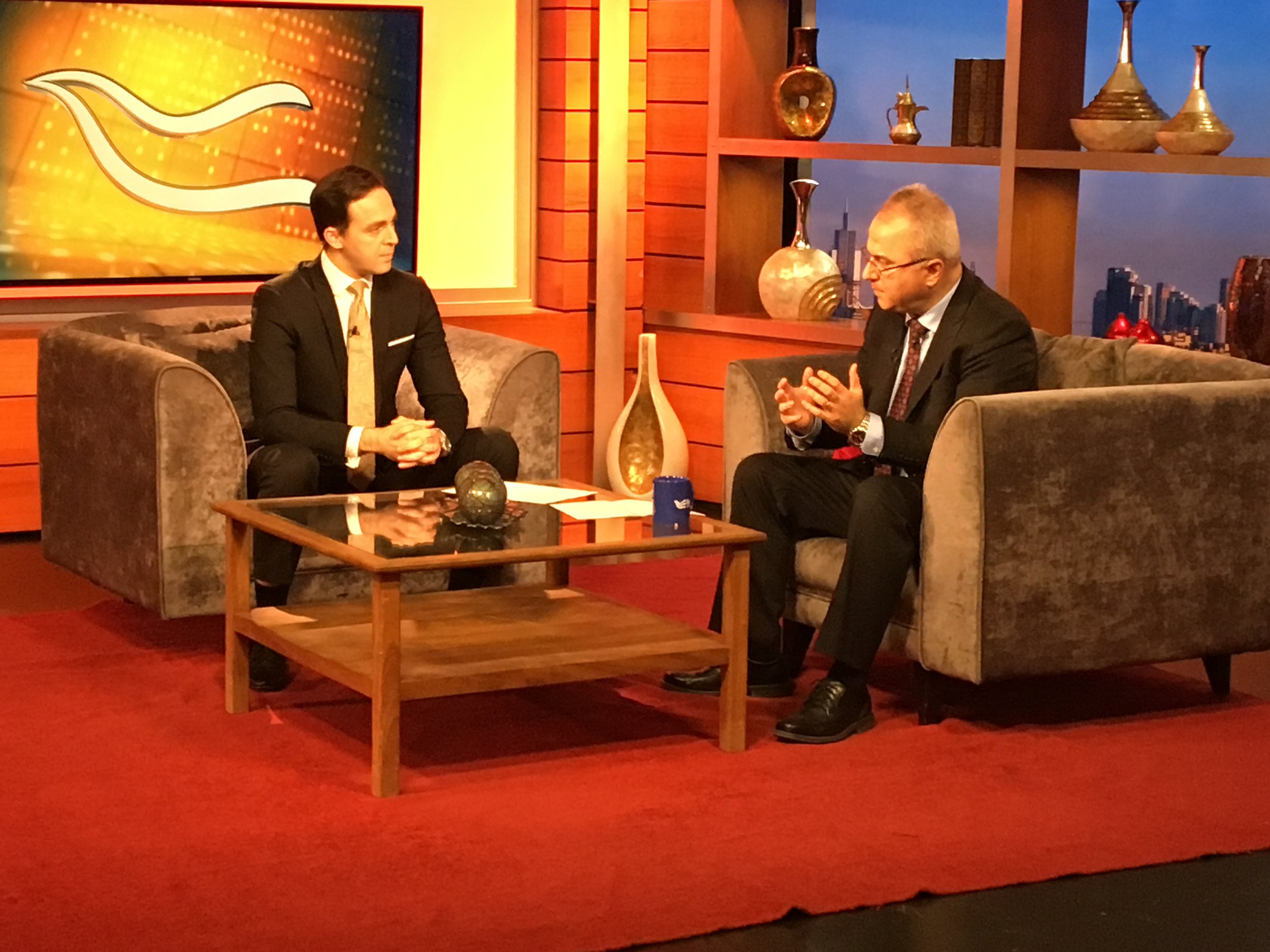
Sarhang Hamasaeed interview with Al-Hurra satellite channel.
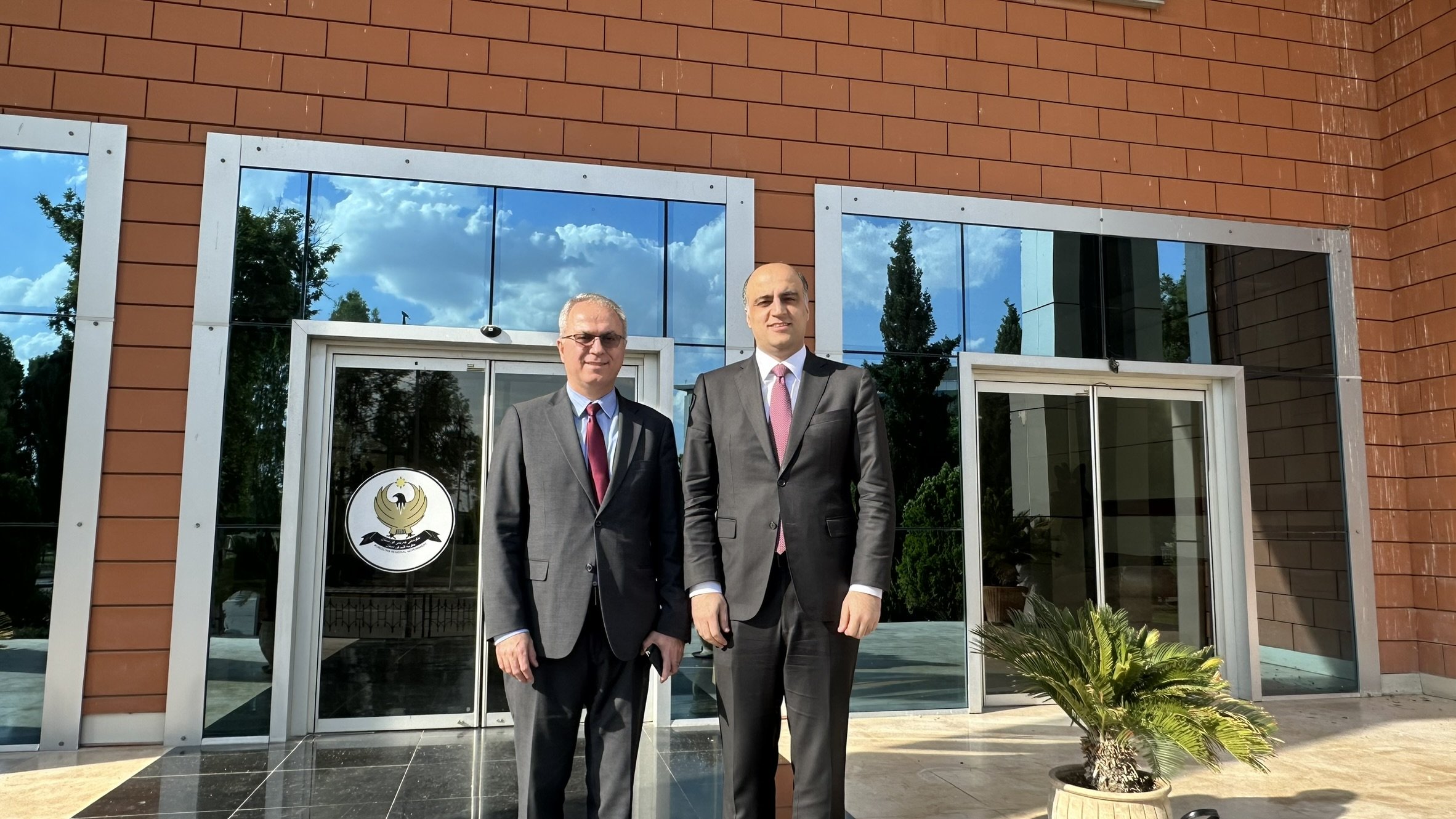
Sarhang Hamasaeed meeting with Aziz Ahmed, Deputy Chief of Staff to the Prime Minister of the Kurdistan Regional Government.

Sarhang Hamasaeed interview with Al-Hadath satellite channel.

Sarhang Hamasaeed interview with Al-Hadath satellite channel.

Sarhang Hamasaeed interview with Al-Hadath satellite channel.

Sarhang Hamasaeed participating in a news analysis TV Show on Al-Hurra.
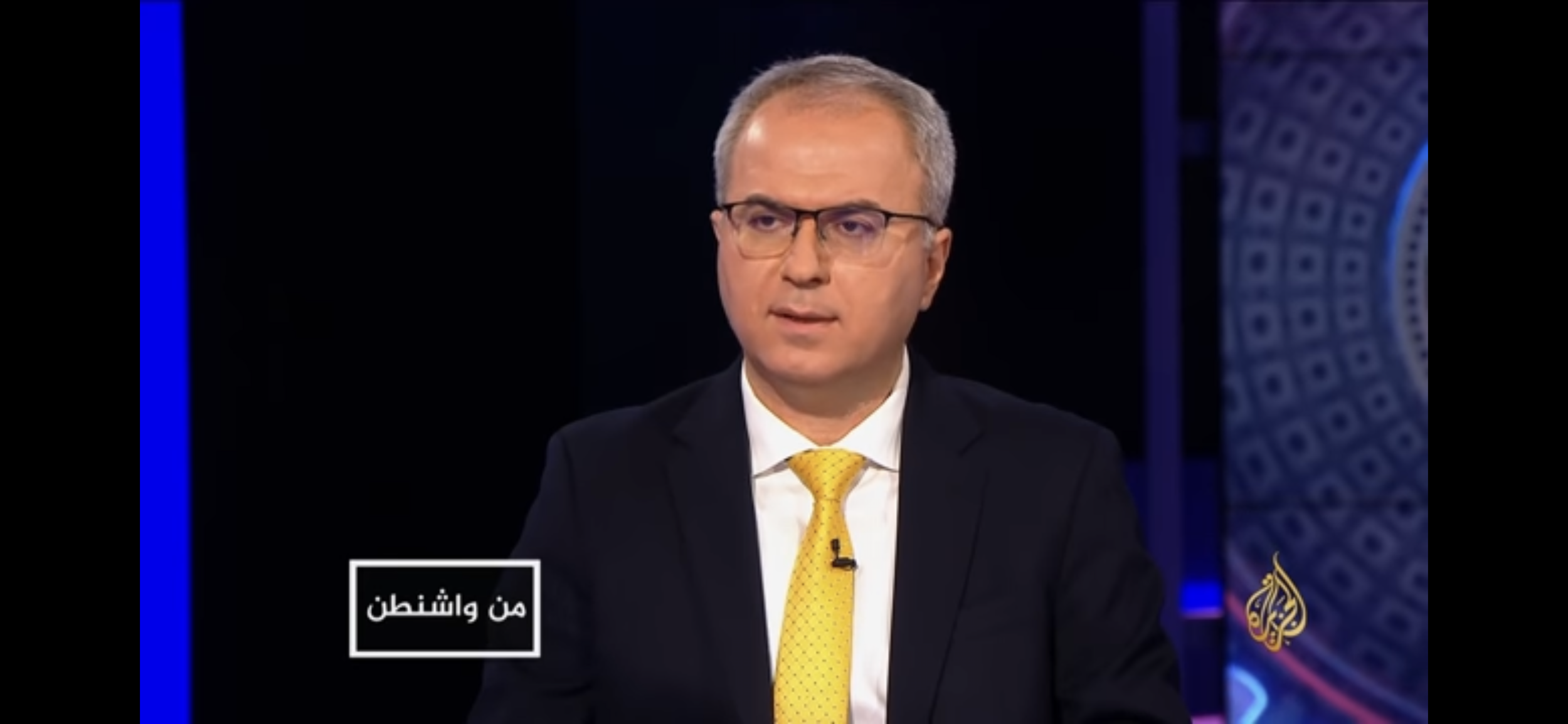
Sarhang Hamasaeed participating in a news analysis TV Show on Al-Jazeera.
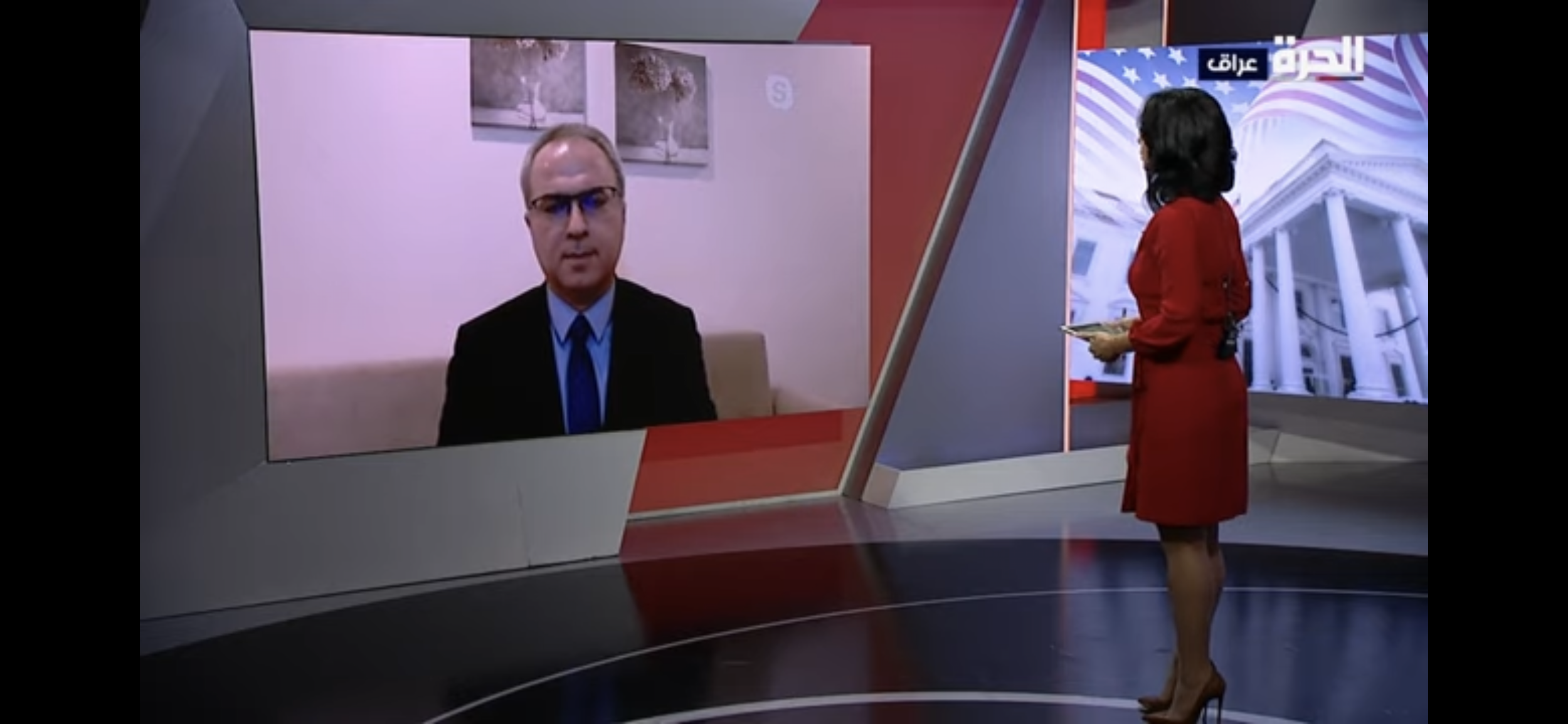
Interview with Al-Hurra.
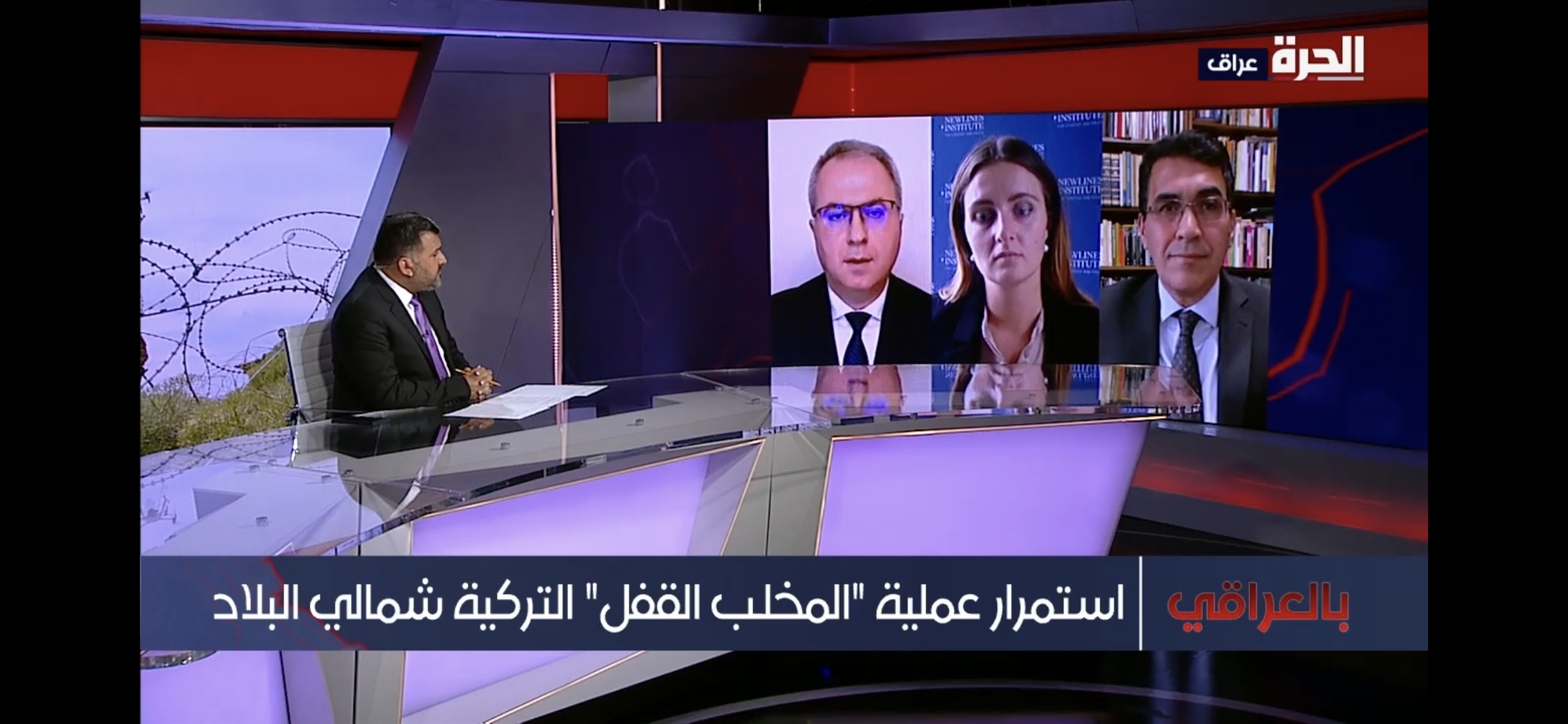
Sarhang Hamasaeed participating in a news analysis TV Show on Al-Hurra.

Participating in news analysis show on Al-Hurra TV.

Sarhang Hamasaeed speaking at the graduation ceremony of the Sanford School of Public Policy at Duke University. May 2019

Sarhang Hamasaeed speaking on a panel at MED Forum, Rome, Italy 2019

Sarhang Hamasaeed meeting with the General Secretary of the High Council for Women and Development, Kurdistan Region of Iraq.

Sarhang Hamasaeed with the Govorner of Ninewa, the Prince of the Yazidis (Ezidis) and other leaders.

Hosting Iraqi Prime Minister Haider al-Abadi at the U.S. Institute of Peace (USIP)
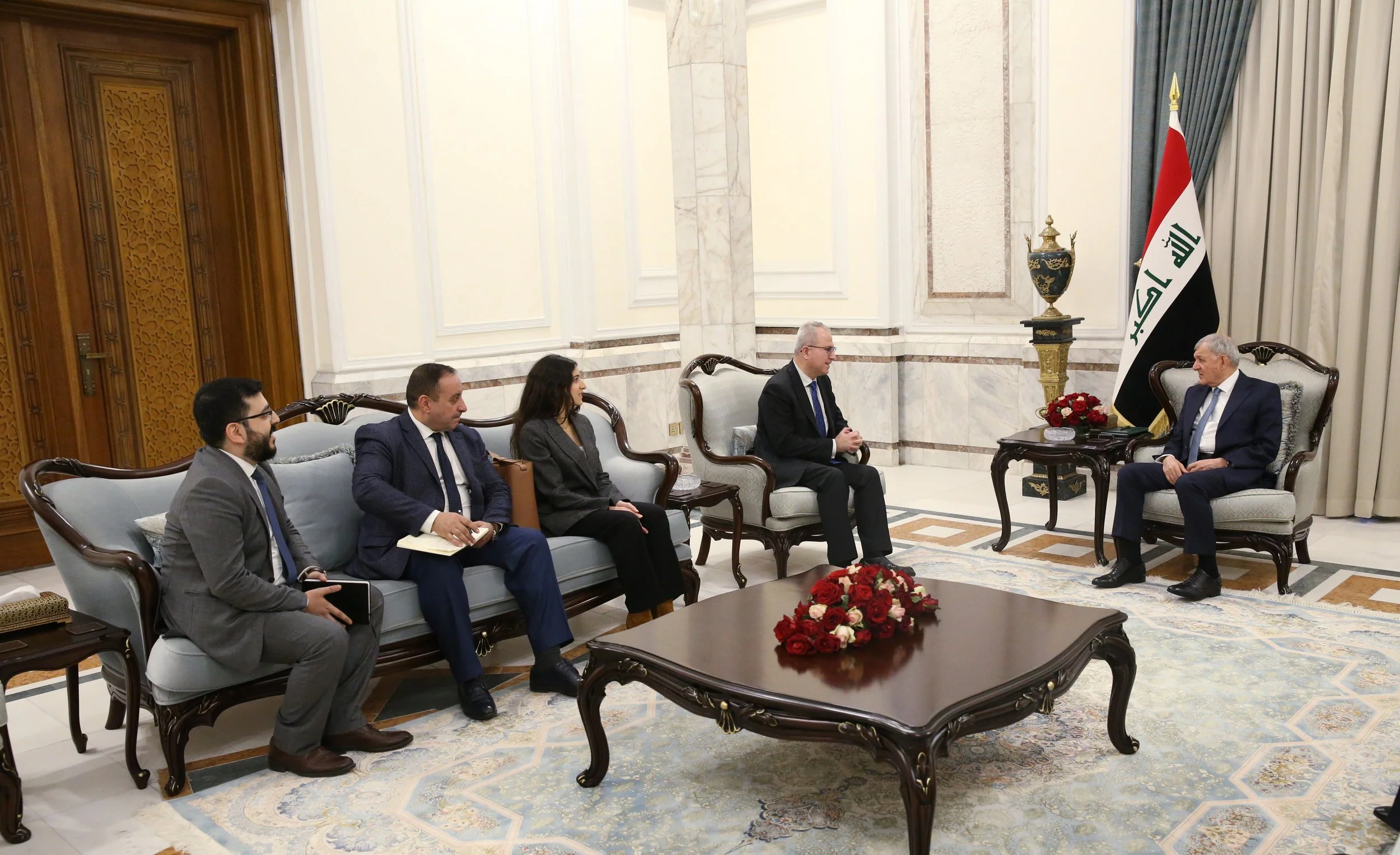
Sarhang Hamasaeed Meeting with the President of the Republic of Iraq.